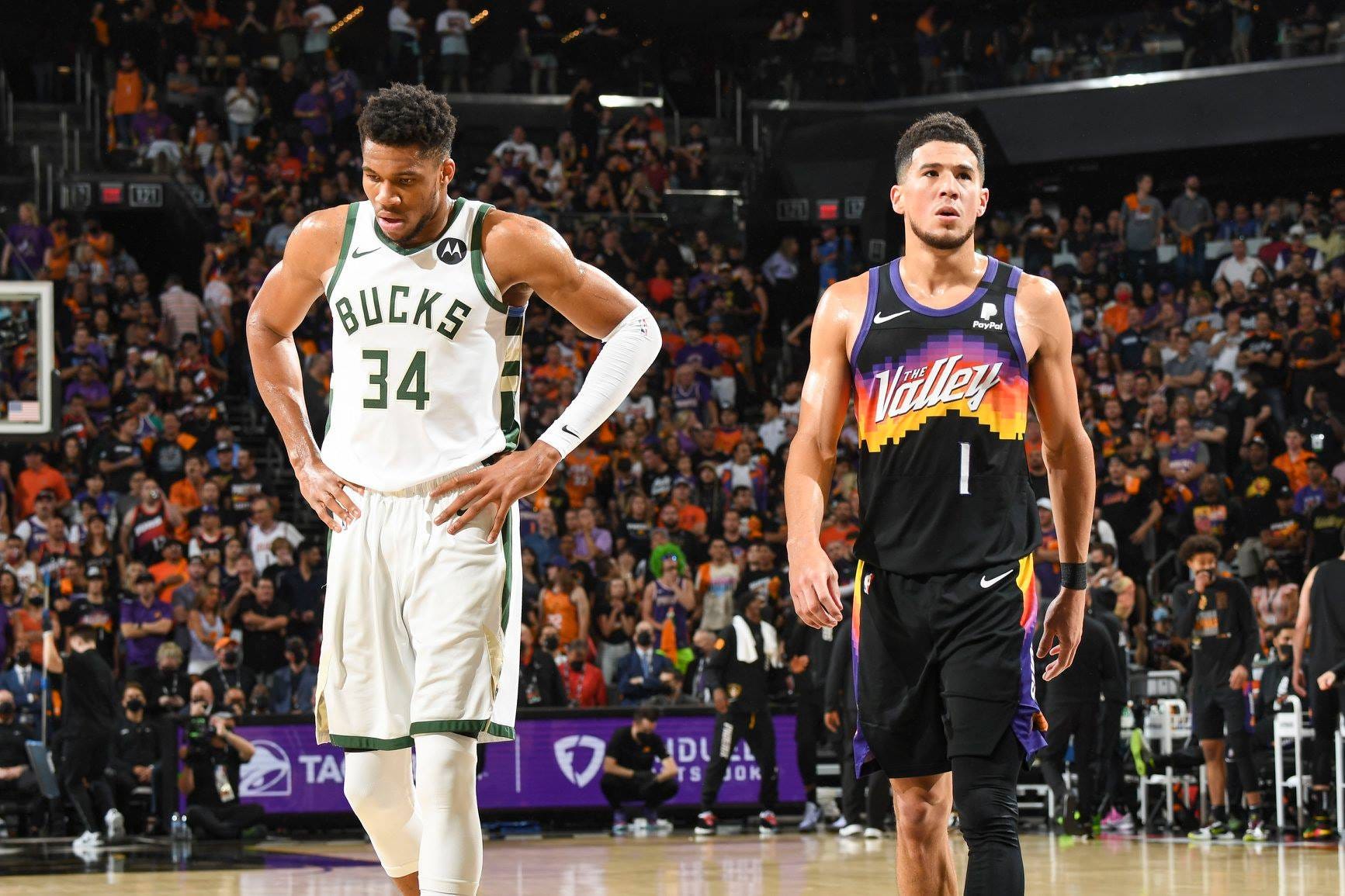
Bucks and Suns: How Desperation Killed Contenders
Milwaukee and Phoenix faced off in the NBA Finals just four years ago, now the are battling through NBA mediocrity. Here's how desperation killed their teams.

With NBA Free Agency cooling down, we’ve already seen several shocking moves, none more surprising than those by the Milwaukee Bucks and the Phoenix Suns.
A few weeks ago, the Phoenix Suns finally traded Kevin Durant, marking the end of an incredibly dysfunctional superstar experiment in the Valley. Durant was dealt to Houston for Jalen Green, Dillon Brooks, and five second-round picks — a decent haul by most accounts, but nowhere near the mountain of assets Phoenix gave up to acquire him in 2023.
Earlier this week, Milwaukee pulled off the most shocking move of all. In one swoop, they signed Myles Turner to a 4-year, $107 million deal — and waived Damian Lillard, stretching his $113 million contract over five years. Essentially, Milwaukee cleared cap space for Turner by turning Lillard’s contract into “dead money.” The Bucks will now pay Lillard $22 million annually through 2030… while he’s no longer on the team.
For both teams, the outlook is bleak. Phoenix is desperately trying to escape Bradley Beal’s $50 million black hole of a contract while keeping Devin Booker happy. Milwaukee, meanwhile, is scrambling to keep Giannis Antetokounmpo content while building a roster with almost no flexibility.
But this isn’t just about today — these two teams are more connected than you'd think.
Just four years ago, the Bucks and Suns faced off in the NBA Finals, competing for basketball’s highest prize. Back then, the consensus was that both teams were poised to contend for years.
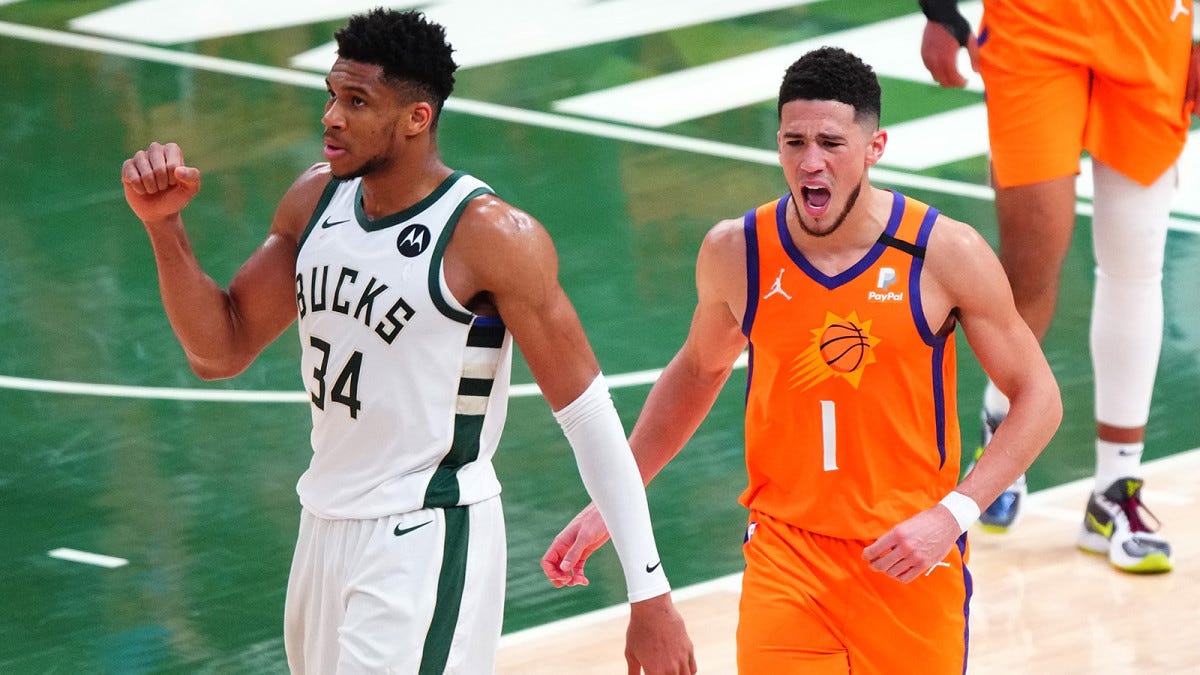
Then desperation set in.
Both front offices followed similar paths: shortsighted, high-risk decisions that slowly unraveled their rosters. Today, we’ll retrace the trails of dysfunction — the missteps that turned championship foes into roster-building horror stories.
But then desperation set in. The front office of each franchise followed similar paths of misguided, shortsighted, and irreversible decisions that turned their franchises from championship contenders to holding on for dear life.
Today, I’ll follow the trail of decision-making for both rosters, examining the missteps that turned championship foes into roster-building horror stories.
2021 Off-Season: Running it back
As you may remember, the Bucks beat the Suns in six games in the 2021 NBA Finals. While Milwaukee obviously had more to celebrate, both teams were still optimistic.
The Bucks had the best player in the world and a rock-solid supporting cast. The Suns were led by Devin Booker — a rising top-10 star — plus a core of exciting young talent. Both teams were set up to contend for the long haul.
So they ran it back. Both rosters returned for the 2021-22 season, looking like they’d meet again in the 2022 Finals.
2022 Season: Second Round Dissapointments
Bucks:
The 2021-22 season didn’t go Milwaukee’s way. They drew Boston in the second round but were without their second-best player, Khris Middleton. The Celtics knocked them out and advanced to the Finals.
Disappointing, sure — but easy to chalk up to injuries and a typical “championship hangover.”
Suns:
Phoenix, on the other hand, was dominant. They finished 64–18 and looked primed to make another deep run. But Luka Doncic and the Mavericks had other plans.
In Game 7 of the second round, the Suns got embarrassed — losing by 33. It was stunning. But they were still young, had a short offseason due to the COVID-adjusted schedule, and had just won 64 games. These things happen.
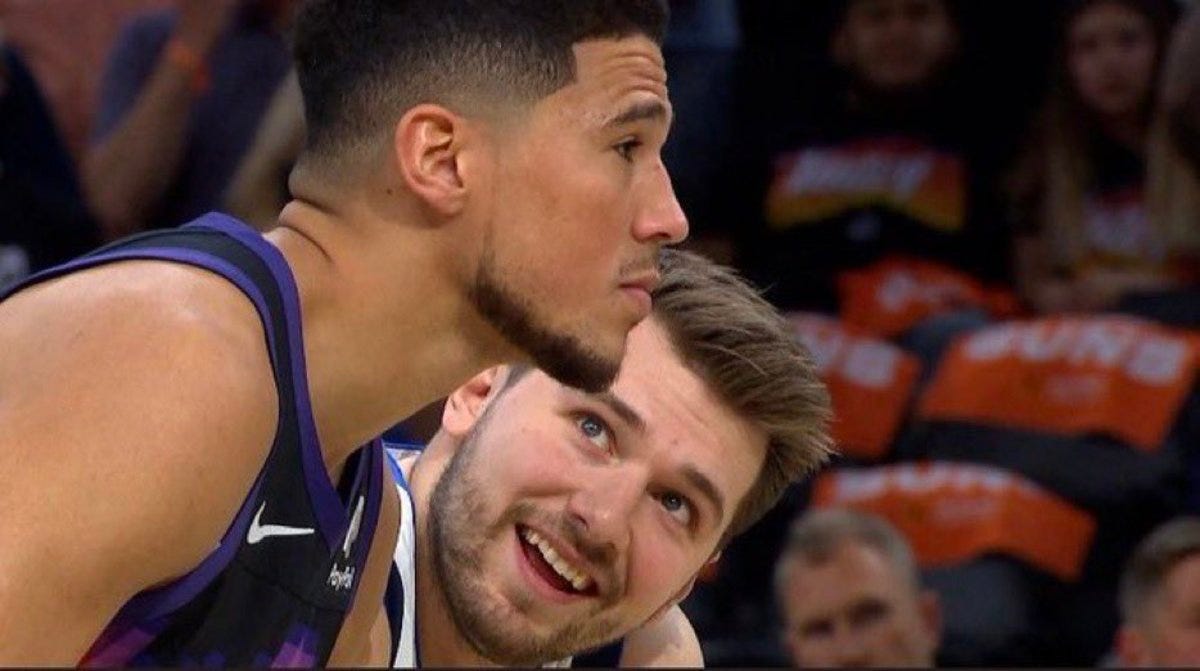
My friend Webb Constable said it best:
“You don’t go 64-18 by accident; sometimes you just come across a giant slayer like Doncic at the wrong time.”
2023 Season: Milwaukee’s injury woes and Phoenix’s first blunder
Bucks:
In 2022–23, Milwaukee looked recharged. They secured the No. 1 seed and faced the Miami Heat in Round 1. Then disaster struck: Giannis suffered a back injury in Game 1 and only played three games in the series. The Bucks were upset by the Heat and sent packing early.
Two straight seasons, two playoff exits due to injuries — both to teams that ended up reaching the Finals. The obvious move? Tweak the roster around the edges and run it back with the core.
Suns:
This is where it all started to unravel.
On February 7, 2023, Matt Ishbia officially became the new owner of the Suns. Within 48 hours, he made an all-in swing: Phoenix traded Mikal Bridges, Cam Johnson, five first-round picks, a pick swap, and a second-rounder to Brooklyn for Kevin Durant.
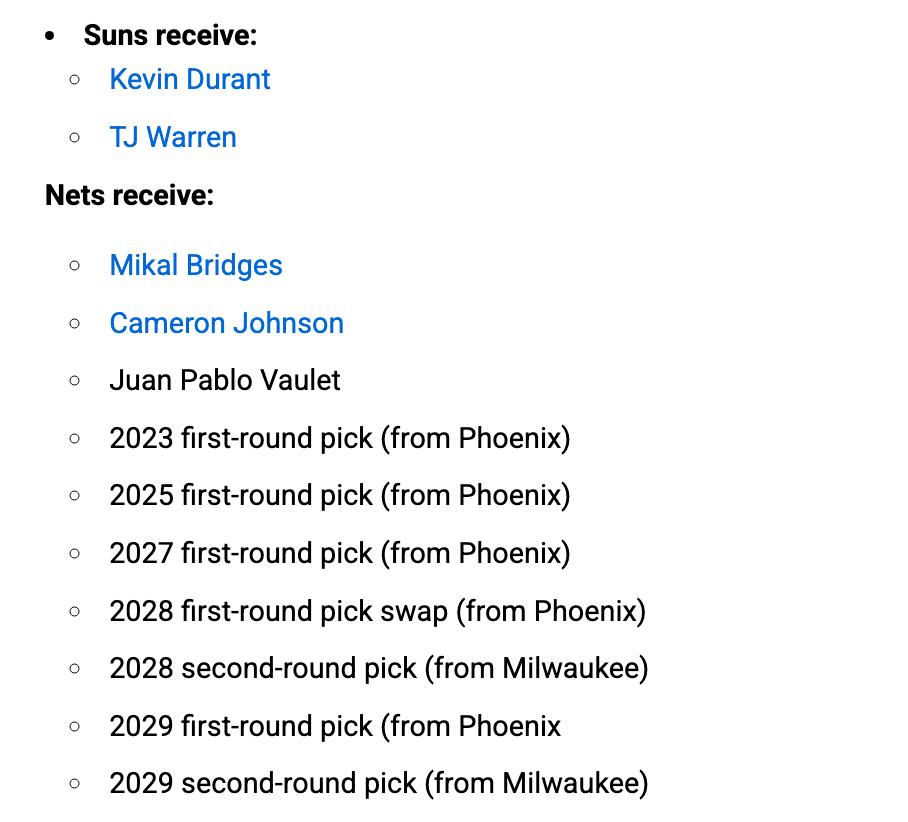
That’s six picks and two of the Suns’ most important players from the 2021 Finals run — all for a 34-year-old Durant. He’s a top-10 player all-time, sure, but nobody can justify a trade package that steep, especially for a team that was already a contender.
The Suns eventually lost to the champion Denver Nuggets in the second round. But with a core of Booker, Durant, Chris Paul, and Deandre Ayton, there was still optimism.
2023: Milwaukee’s first blunder and Phoenix doubles down
Bucks:
Just like Phoenix, the Bucks’ front office got desperate.
Rumors suggested Giannis was pushing for change. With Damian Lillard requesting a trade out of Portland, Giannis reportedly wanted him as a new co-star. Milwaukee had the assets to go get him… but should they have?
They could’ve just run it back with their core and better health. With better injury luck, it would be reasonable to assume the Bucks would have another Larry O’Brien in their trophy case by the summer of 2023. But satisfying Giannis — the best player in franchise history and the only money-maker in a small market — became the priority.
The Bucks sent away Jrue Holiday and three first-round picks to the Trailblazers for Damian Lillard:
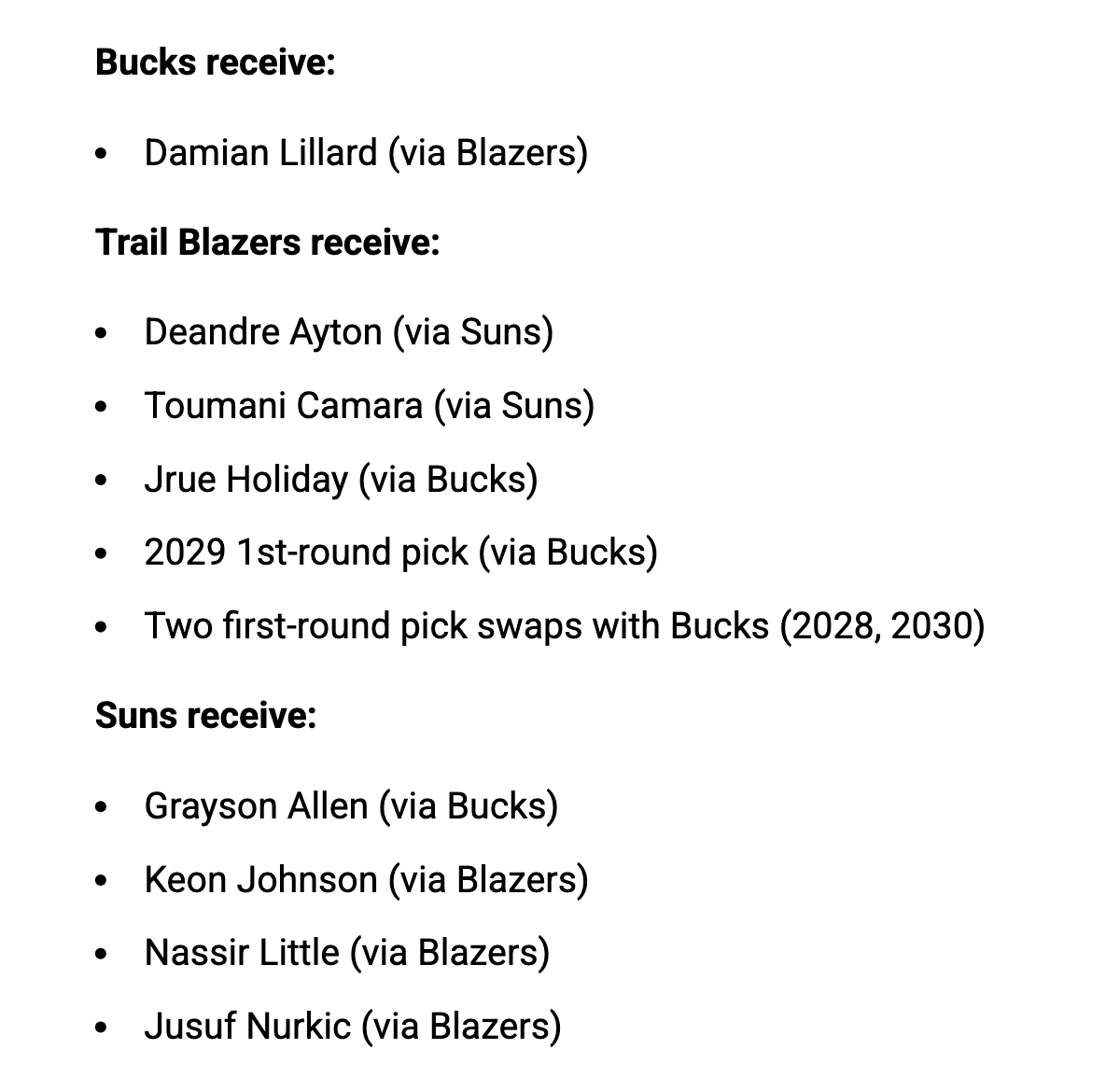
The Lillard trade wasn’t bad on paper — in fact, many praised it. But when you add it to the original Holiday trade, the Bucks had now burned nearly all their draft capital.
As ESPN’s Bobby Marks often says: “The worst thing to be in the NBA is optionless.”
That’s precisely what Milwaukee became. The pressure to win right now skyrocketed.
Suns:
The Suns were in a decent spot. They had given the NBA Champions their toughest test, and Durant seemed like he would finally be acclimated to a new team. In the early summer of 2023, many expected the Suns to roll into next season with the same roster.
They didn’t.
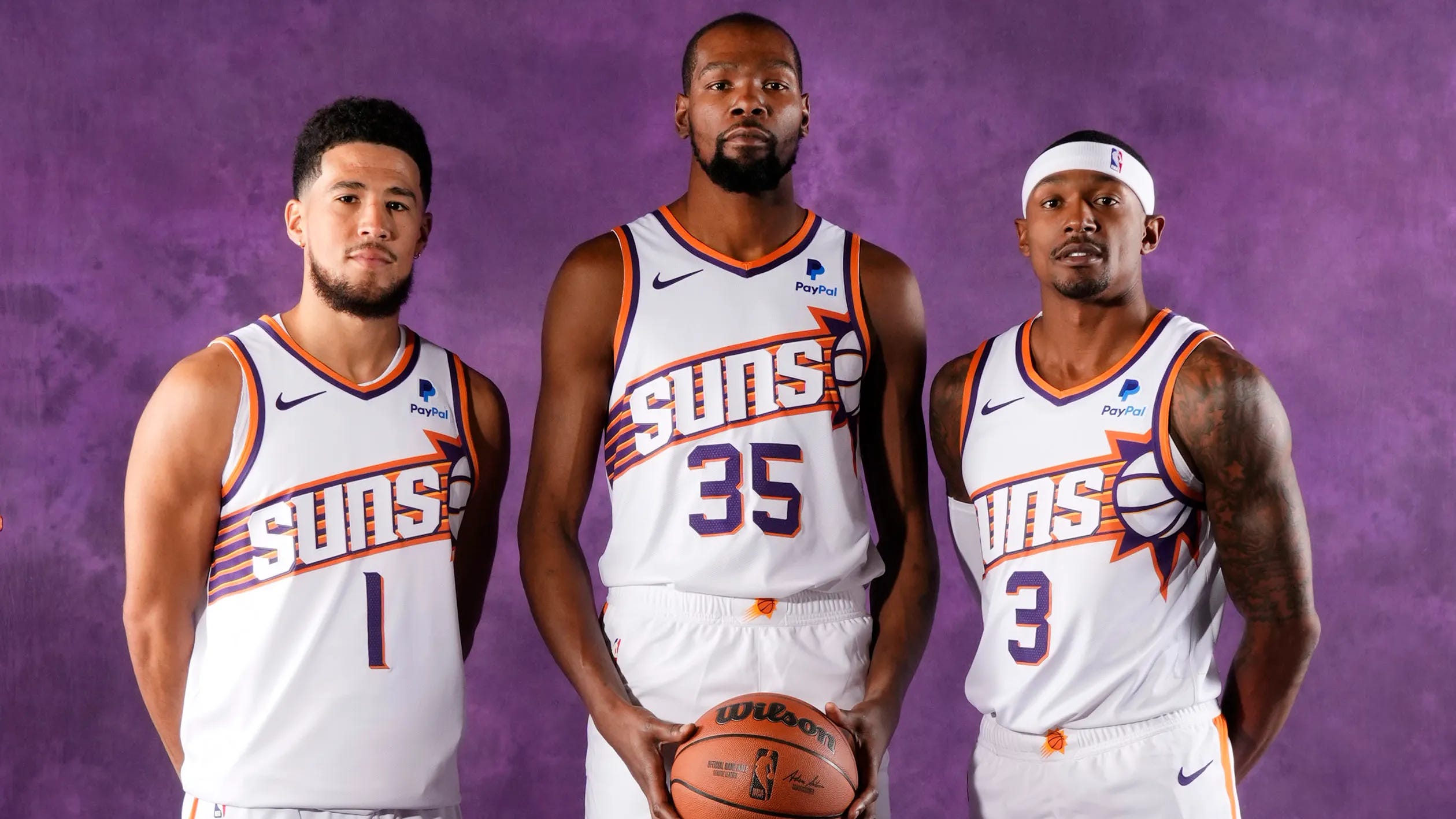
Matt Ishbia pulled the trigger again. The Suns traded Chris Paul, a first-round pick, four pick swaps, and seven second-round picks to the Washington Wizards to acquire Bradley Beal.
Matt Ishbia pulled the trigger again. The Suns traded Chris Paul, a first-rounder, four pick swaps, and seven second-rounders to Washington for Bradley Beal.
This one made no sense.
Beal was expensive, hadn’t shown he could help a team win, and didn’t fit next to Durant and Booker. I dislike the “there’s only one ball” cliché, but it applies here. Ishbia wanted a shiny Big Three like the other great owners, but instead built a jumbled mess.
All three stars needed the ball to have success. And with Chris Paul gone in exchange for Beal, there was no distributor to balance them out.
Then, in September, the Suns shipped out DeAndre Ayton — for pennies on the dollar— as part of the same Lillard trade (see above).
Oh, and they fired their best coach in over a decade.
2023-2025: Failed Star-Studded Experiments
Bucks:
After acquiring Damian Lillard and sending away Jrue Holiday, Milwaukee headed into the playoffs with plenty of hope.
They finished third in the Eastern Conference but were again ravaged by injuries. The Bucks lost to the Pacers in the first round.
Jrue Holiday, who had been rerouted to the Celtics by the Trailblazers, was an integral part of Boston’s 2024 championship — a slap in the face for Milwaukee.
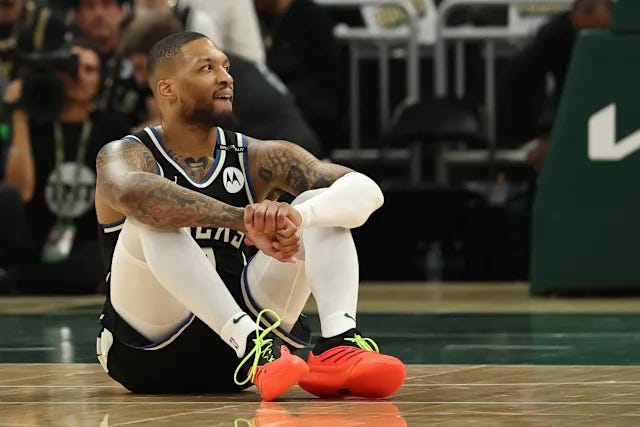
Heading into the 2024-2025 season, the Bucks had lost much of their supporting cast, but hinged their hopes on Lillard and Giannis figuring out in their second year. Then, Damian Lillard tore his Achilles and the Bucks lost to the Pacers in the first round.
Suns:
Phoenix’s Big Three flopped from the start. They went 49–33 in Year One and got swept by Anthony Edwards and the Timberwolves in Round 1.
Still, they entered Year Two with hope. But 2024–25 was a disaster. On their third coach in three years, the Suns couldn’t find any rhythm. Beal had the worst season of his career and was benched. Durant demanded a trade midseason. Booker was left stranded.
They missed the playoffs entirely.
Today: Compounding Mistakes
Now, both teams are stuck.
The Bucks, as mentioned, just waived and stretched Damian Lillard to sign Myles Turner, paying $22 million a year for Lillard to play elsewhere. Turner is a marginal upgrade, and Milwaukee still doesn’t control its own first-round pick until 2031.
They’ve mortgaged their future and might be paying for it for the next six years. The smarter play would’ve been trading Giannis for a treasure chest of young talent — but they refused.
Phoenix is only marginally better off. They can’t trade Beal’s $53 million contract, and a buyout seems inevitable. They tried to salvage Durant’s value by acquiring Jalen Green — another high-usage, low-efficiency player who is considered a “problem-player” around the league.
Both franchises' paths back to contention are steep. Instead of thinking long-term and fixing their mistakes when possible, the Bucks and Suns have continued to compound their failures.
It’s as if both teams are playing Jenga, stacking bad moves on top of each other, waiting for everything to fall apart. It’s not long before it all comes crashing down in Phoenix and Milwaukee — or maybe, it already has.